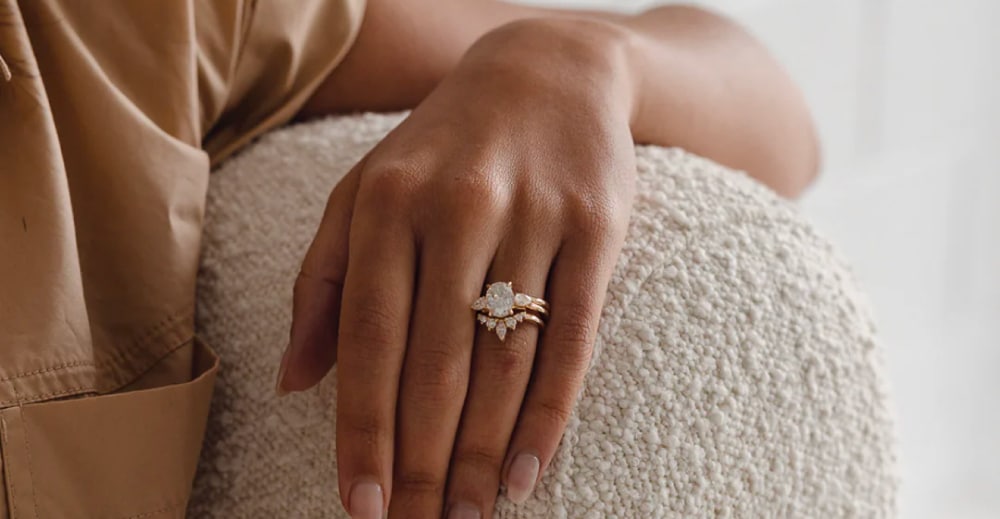
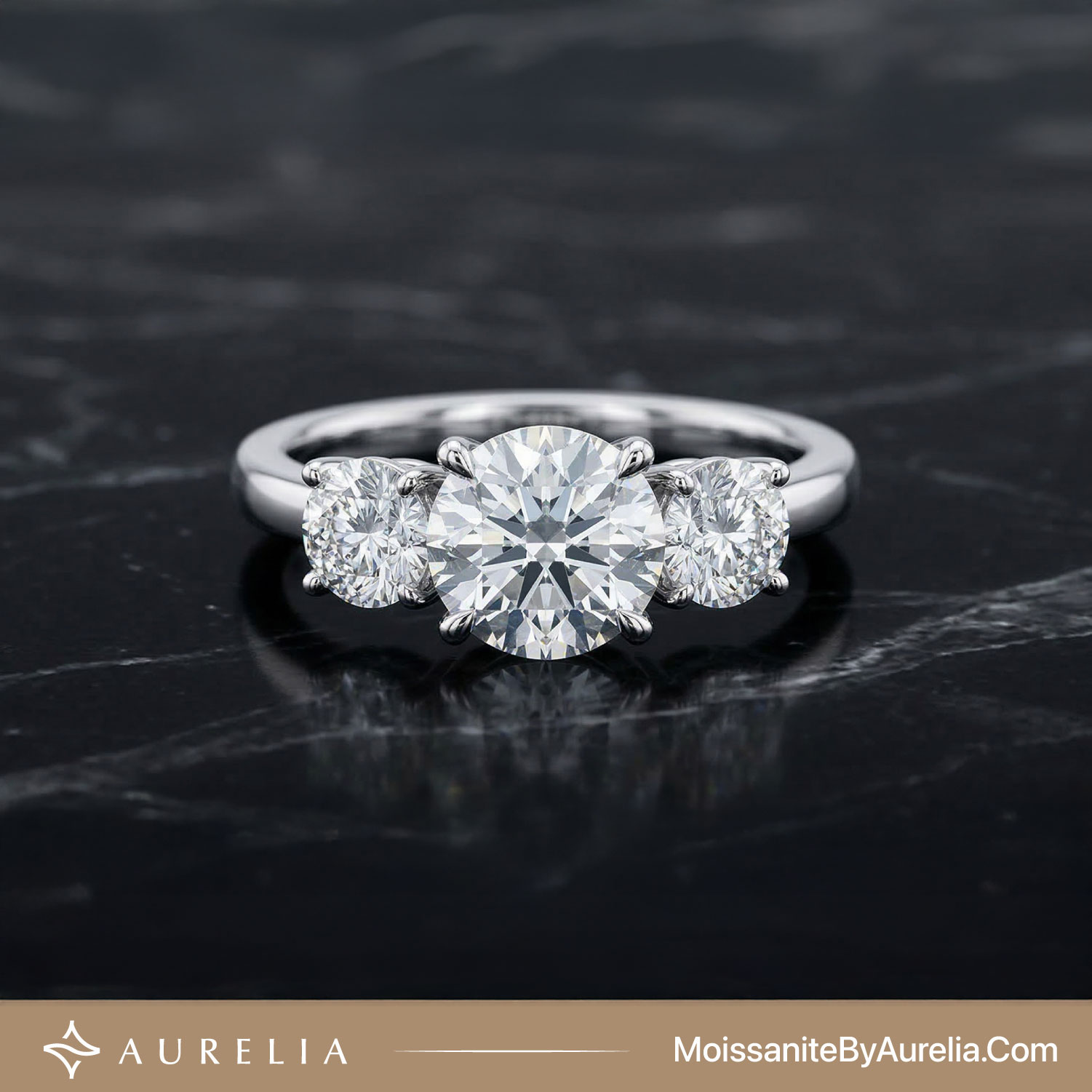
In the 2026 diamond market, the smartest way to “max out” your budget isn’t by buying a bigger rock—it’s by splitting it into three. While a 3-carat solitaire is a rare, high-premium asset, a 3 stone diamond ring 2 carat tcw price is often 50% lower because smaller stones are more abundant.
As a GIA expert, I call this the “Trinity Strategy”: you get the visual width of a massive ring for the price of a modest one.
Expert Quick Take: The “Carat-Maxing” Strategy
A three-stone engagement ring setting costs between $1,210 and $4,500 in 2026. Because three smaller diamonds cost significantly less than one large diamond of the same total weight, a 3-stone 2-carat tcw ring can save you up to 50% compared to a 2-carat solitaire.
This allows buyers to achieve maximum “finger coverage” while staying under a $3,000 budget.
The 2026 Value Arbitrage
| If Your Goal Is… | 2026 Recommended Side Stone | Mehedi’s Technical Reasoning | Mehedi’s 2026 Verdict |
|---|---|---|---|
| Maximum Size Illusion | Pear Shaped Stones | Points taper outward, tricking the eye into seeing one elongated stone. | The Size Hack. Makes a 1-carat center look like 2 carats. Best for Oval or Round centers. |
| Art Deco Elegance | Tapered Baguettes | Clean, step-cut flashes draw the eye directly to the center stone’s clarity. | The Classic Choice. Best paired with a VVS1 clarity stone. Platinum is the preferred metal for step-cuts. |
| Modern Brilliance | Half-Moons / Trillions | Fills the “side gaps” perfectly next to an Oval or Cushion cut center. | Full Coverage. Provides a seamless “wall of sparkle.” Use for 2-carat+ statement rings. |
| Elite Custom Look | Trapezoids | Provides a seamless architectural transition for rectangular shapes. | The Architect’s Pick. A must-have for emerald cut diamonds. Adds massive finger coverage and geometric depth. |
| The 2026 Side Stone Verdict: Side stones are the “supporting cast” that make your center stone the star. When building a high-tier $10,000 build, ensure your side stones match the color and clarity of your center diamond within 1-2 grades. Check out James Allen’s Three-Stone Studio to see these pairings in real-time 3D. | |||
Don’t get romantic about the ‘single stone’ myth. If you want 20mm of sparkle across your finger, a solitaire won’t do it. Buy a 1.20-carat center stone and two 0.40-carat side stones. You will have the exact same total width as a 3-carat solitaire but save enough money to buy a lab diamond tennis bracelet.
Visual Real Estate: Maximize your finger coverage with Upto 30% OFF Settings. Shop GIA-certified Pears and Baguettes in the Clear The Vault Sale at Blue Nile.
Budget Destroyer: Build a $3,000 masterpiece with Lab-Grown Trio Settings. Use the 60/40 rule to audit your proportions in 40x Super-Zoom HD at James Allen.
The Three-Stone ring—famously known as the Trinity or Trio—is marketed as a symbol of your past, present, and future. But in the diamond trade, we call it Value Arbitrage.
A single 2-carat diamond is a rare geological event, and the price reflects that rarity.
But if you take that same 2 carats and split it into three stones (a 1ct center and two 0.50ct sides), the price drops by thousands. You aren’t losing sparkle; you are gaining Face-up Real Estate.
In 2026, with inflation hitting metal prices, the tapered baguette 3 stone setting cost has become the primary way to get a ‘Red Carpet’ look on a ‘Resident Doctor’ budget.
Today, I’m analyzing real inventory from Blue Nile and James Allen to show you how to navigate the 60/40 proportion rule and avoid the color-matching traps that ruin 90% of three-stone rings.
The “Trio” Blueprint for 2026:
- The 60/40 Rule: Why your side stones must be exactly 30–40% of the center weight to avoid “Center Stone Overload.”
- Color & Clarity Hacks: How to use SI1 clarity side stones to save $1,000 without the naked eye ever knowing.
- Real Data Deep-Dive: From the $1,210 Tiara Setting to the $7,845 Trapezoid Luxury Tier, we break down where your money is actually going.
Expert Warning: If you don’t match the color grades correctly, your center stone will look ‘sick’ and yellow. Before you buy, check out our diamond rate calculator to see the price difference between matching and mismatched trios.
Diamond IQ Test: Natural or Lab-Grown?
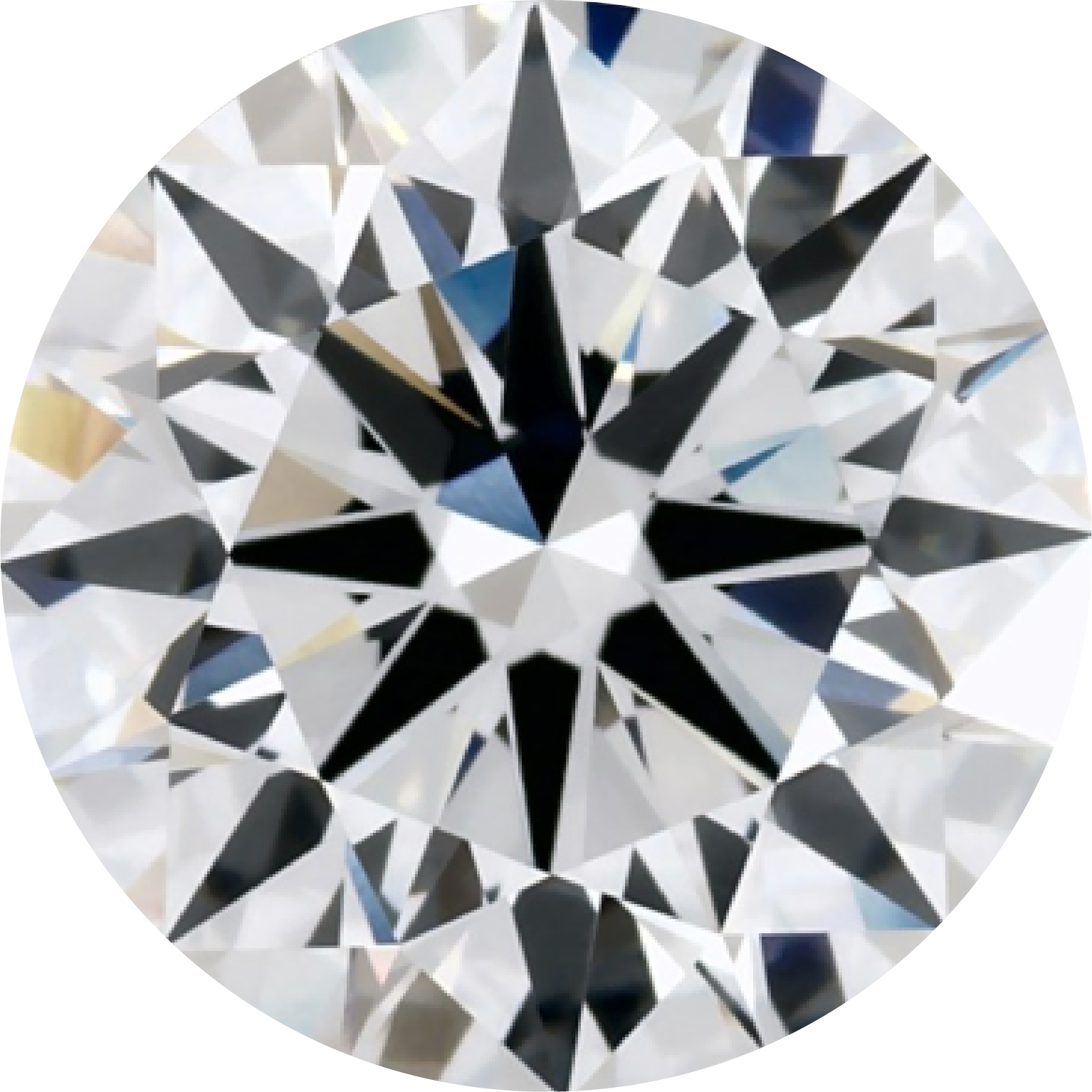
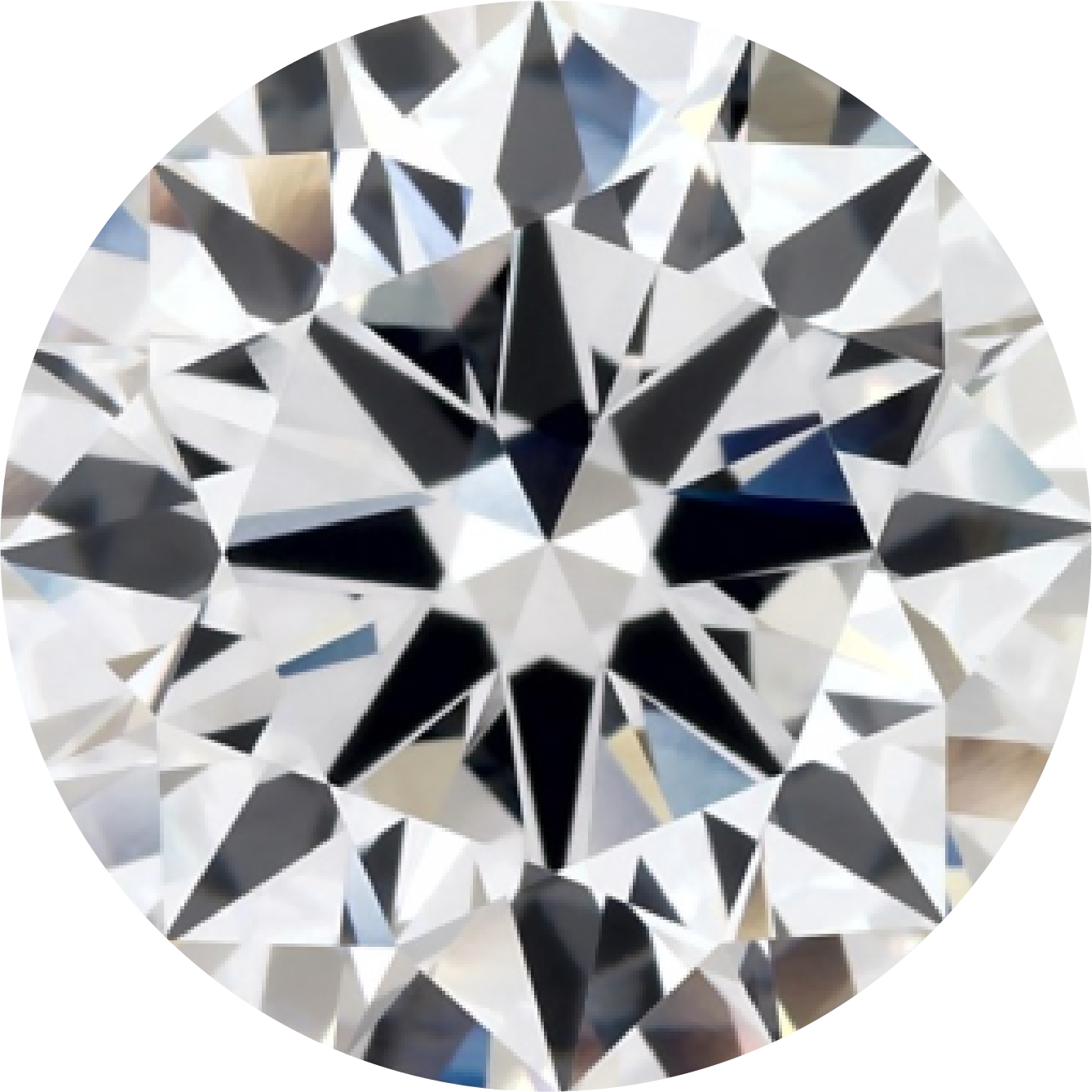
Two identical diamonds: GIA Certified, 1.51ct, D Color, VVS1, Ideal Cut. One is natural ($16,530), the other is lab-grown ($2,390). Choose the diamond you like better and see if you can match it to its origin.
The GIA Proportion Secret: The 60/40 Rule
One of the biggest mistakes I see in 2026 is a “Trio” that looks like a lopsided mess. If the side stones are too large, they “swallow” the center diamond, making it look smaller than it is.
If they are too small, they look like tiny sparkling dots that fail to provide any finger coverage. To win the “Carat-Maxing” game, you have to follow the math.
Proportions for Three Stone Rings (The Math)
The secret to that “Red Carpet” look is balance. In my years as a gemologist, I’ve found that the most visually stunning three-stone rings follow the 60/40 Rule. This isn’t just about weight; it’s about the optical spread across the finger.
- The Problem: Buying side stones without calculating the ratio.
- The GIA Expert Rule: To create a perfect aesthetic transition, your combined side stones should equal roughly 60% to 80% of the center stone’s weight, meaning each individual side stone should be 30% to 40% of the center stone’s carat weight.
Mehedi’s “Visual Width” Example Build
Let’s look at a real-world scenario for a standard size 6 finger. A size 6 finger is roughly 16.5mm wide.
- Center Stone: 1.50 Carat Round Brilliant (~7.4mm wide).
- Side Stones (40% each): Two 0.60 Carat Rounds (~5.4mm wide each).
- The Math: 7.4mm + 5.4mm + 5.4mm = 18.2mm of total width.
Because the ring width (18.2mm) is slightly wider than the finger (16.5mm), the diamonds wrap around the curve of the finger. This creates a “wall of ice” effect with zero exposed metal when viewed from the top.
Side Stone Carat Matching Table
| Center Stone Weight | Ideal Side Stone (Per Stone) | 2026 Top Setting Pick | Total Carat Weight (TCW) | Mehedi’s Value Verdict |
|---|---|---|---|---|
| 1.00 Carat | 0.30 – 0.40 ct | Blue Nile Pear Side ($1,440) | ~1.70 ct | Maximum Proportion. Keeps a 1.0ct solitaire looking graceful without overwhelming the band. |
| 1.50 Carat | 0.45 – 0.60 ct | JA Tapered Baguette ($1,730) | ~2.50 ct | Art Deco Elite. Baguettes draw the eye to the center diamond’s clarity. Perfect for 1.5ct builds. |
| 2.00 Carat | 0.60 – 0.80 ct | JA Round Trio ($2,190) | ~3.40 ct | The Power Player. Provides massive finger coverage. Ideal for pairing with a 2-carat lab stone for a $5,000 “look.” |
| 3.00 Carat | 1.00 – 1.20 ct | Blue Nile Emerald ($3,880) | ~5.20 ct | Ultimate Heirloom. Side stones must be emerald cuts to match a large center. Best for 5-carat statement goal. |
| The 2026 Ratio Verdict: When building a three-stone ring, the “Golden Ratio” is 1:0.3. If your side stones are too small, the center looks lonely; if they are too large, the center looks small. For high-carat natural diamond assets, ensure your side stones are GIA/IGI certified to match your center stone’s fire. Check James Allen for their 2026 matched-pair inventory. | ||||
If you use our diamond carat size chart, you’ll see that a 3.40ct tcw Trio ring has a wider visual footprint than a 5 carat diamond ring solitaire. You are getting the ‘big money’ look for about 20% of the cost. This is the ultimate way to play the 2026 market.
By following these proportions, you ensure that the center stone remains the hero while the side stones provide the “runway” of light. Before you commit to the side stones, check my guide on what shape diamond looks the largest to see if Pear or Marquise sides might stretch your budget even further.
GIA Hack #1: The “Color Matching” Trap
In 2026, the biggest mistake buyers make when building a “Trio” online is ignoring the Color Contrast between the stones. If you get this wrong, you don’t just have a mismatched ring—you actually make your expensive center diamond look “sick.”
Side Stone Color Grade vs. Center Stone
The Warning: “Never buy your setting without looking at the side stone specifications. Most premium settings, like the Bella Vaughan Cadillac Three Stone ($7,170), come pre-set with high-color side diamonds (often D-E-F).
If you pair those icy side stones with an I-color center diamond, the contrast will be jarring. The side stones will act as a ‘color reference,’ making your center stone look yellow, dull, and aged by comparison.”
The “Mehedi Color-Match” Rule
To win the aesthetic game, the side stones must be within one color grade of the center stone—preferably on the lower side.
- The Money Hack: Buy an H-color center diamond and a setting with H/I-color side stones.
- The Savings: Choosing an H-color diamond instead of a D-color can save you over $1,200 on a 1.5-carat stone alone. Because the stones match in “warmth,” the human eye perceives the entire ring as a single, icy-white unit.
Real-World Color Matching Examples
| Center Stone Color | Ideal Side Stone Color | 2026 Recommended Setting | Mehedi’s Color Verdict |
|---|---|---|---|
| D – F (Colorless) | E – G Color | Platinum Half Moon ($2,408) | Maximum Purity. Must use Platinum to preserve the icy fire. Side stones should never be more than one grade lower. |
| G – H (Near Colorless) | H – I Color | Blue Nile Pear Side ($1,440) | Safe Standard. Most popular choice for 1-carat configurations. Near-colorless stones appear white to the naked eye. |
| I – J (Faint Tint) | J – K Color | JA Tapered Baguette ($1,730) | The Gold Hack. Rose or Yellow gold masks the tint in I-color diamonds. Allows for a much larger stone on a budget. |
| The 2026 Color Verdict: Don’t overlook the side stone color. A mismatch is often more visible than a low clarity grade. If you are building an emerald cut three-stone ring, color matching is even more critical due to the large, open facets. Check online inventory carefully for “matched pairs” to ensure symmetry. | |||
If you are using natural G-VS1 diamonds, you can afford to go slightly whiter on the side stones. But if you are going for a warm yellow gold look, don’t waste money on D-color sides.
Use the savings to buy a 1-carat pink diamond for a custom accent instead. Consistency in color is what makes a ring look expensive, not the individual grade of a single stone.
Before you finalize your color choices, check out my H color diamond pricing tips for buyers to see how to find stones that “face up” whiter than their grade suggests.
Visual Real Estate: Maximize your finger coverage with Upto 30% OFF Settings. Shop GIA-certified Pears and Baguettes in the Clear The Vault Sale at Blue Nile.
Budget Destroyer: Build a $3,000 masterpiece with Lab-Grown Trio Settings. Use the 60/40 rule to audit your proportions in 40x Super-Zoom HD at James Allen.
GIA Hack #2: The “Clarity Arbitrage”
If you want to maximize your 3 stone diamond ring price efficiency, you need to understand where the human eye fails. As a GIA expert, I use “Clarity Arbitrage” to divert funds away from invisible features and into visible carat weight.
Where to Drop Your Clarity Grade
The “Clarity Arbitrage” strategy is based on a simple optical truth: Inclusions (flaws) are significantly harder to detect in a 0.25ct diamond than in a 1.50ct diamond.
Because side stones have smaller facets and less internal volume, they don’t reveal “pepper crystal” inclusions the way a large, open center stone does.
The “Trio” Clarity Strategy
- Center Stone: Invest in a VS1 clarity diamond or VS2 clarity diamond. This ensures the “hero” of your ring is eye-clean and structurally sound.
- Side Stones: Accept SI1 or even SI2 clarity.
- The Win: By dropping the side stone clarity, you can save $300 to $800 on the setting price alone. To the naked eye, a 0.30ct SI1 diamond looks identical to a 0.30ct VVS1 stone.
Data Check: The “Sweet Spot” in 2026 Inventory
Look at the current standards from the top retailers. They have already done the math for you:
- Blue Nile Example: The Pear Sidestone Diamond Engagement Ring ($1,440) comes standard with VS2-SI1 clarity side diamonds.
Their Petite Micropavé Trio ($1,340) utilizes the same “Value Tier” for side stones.
These retailers know that using VVS side stones would drive the price up by $500 without adding a single ounce of visible beauty.
Clarity Arbitrage Comparison Table
| Stone Position | 2026 Ideal Carat | Recommended Clarity | Mehedi’s Technical Reasoning | Mehedi’s 2026 Verdict |
|---|---|---|---|---|
| Center Diamond | 1.00ct – 2.00ct | VS1 – VS2 | Large table facets make inclusions easy to spot. | Eye-Clean Elite. Necessary for high-carat investments to ensure total transparency. |
| Side Diamonds | 0.15ct – 0.50ct | SI1 – SI2 | Smaller surface area naturally “hides” minor flaws. | The Budget Hack. Drop the clarity here to save on the total ring cost without sacrificing look. |
| Step-Cut Sides | 0.10ct – 0.25ct | VS2 (Minimum) | Baguettes and emerald cuts show more internal detail. | Non-Negotiable. Step-cuts like emerald cuts lack the “crushed ice” sparkle to hide flaws. Don’t go below VS2. |
| The 2026 Clarity Verdict: When building your three-stone masterpiece, remember that “Eye-Clean” is the goal, not “Flawless.” If you are investing in a natural diamond asset, prioritize the center stone’s grade. Check out James Allen’s 360-degree videos to inspect the clarity of side-stone pairs before you buy. | ||||
If you are choosing tapered baguette side stones, be careful. Step-cuts act like windows. While you can drop clarity on brilliant-cut pears or rounds, I recommend staying at VS2 for baguettes to avoid seeing ‘milky’ clouds. For everything else, the SI1 hack is the best way to keep your engagement ring under $2,500.
By mastering the VS1 vs VS2 diamond debate for your center stone and “bottom-fishing” for SI1 side stones, you create a ring that looks flawless but costs thousands less than a “perfect” paper-grade trio.
Side Stone Shapes & Prices: The Design Matrix
In 2026, the shape of your side stones doesn’t just dictate the “vibe” of the ring—it dictates the final 3 stone diamond ring price. While basic rounds are cost-effective, specialized cuts like Half-Moons or Trapezoids require precision matching that drives the setting price into the luxury tier.
Which Side Stone Shape is Right For You?
Choosing a side stone is about optical transition. You want a shape that either tapers the ring down toward the band or “hugs” the center stone to create a unified wall of light.
Side Stone Shape Analysis (Real 2026 Inventory Data)
| Side Stone Shape | Best Center Match | 2026 Visual Effect | 2026 Top Setting Pick | Mehedi’s Verdict |
|---|---|---|---|---|
| Pear Shaped | Round, Oval | Softens edges; elongates the finger. | Blue Nile Pear ($1,440) | The Size Master. Best for making a 1.0ct stone look massive. |
| Tapered Baguette | Emerald, Radiant | Art Deco; “points” to the center. | Blue Nile Baguette ($1,280) | Vintage Elite. Pairs best with high-clarity VVS1 center stones. |
| Half-Moon | Oval, Cushion | “Hugs” the curves of the center stone. | JA Platinum Half Moon ($2,408) | Seamless Shine. Ideal for Platinum builds to eliminate dark gaps. |
| Trapezoid | Emerald, Asscher | Bold, architectural, and high-end. | Bella Vaughan Trap ($7,845) | The Showstopper. The only choice for 5-carat statement goal rings. |
| The 2026 Ratio Verdict: When building your three-stone masterpiece, remember that your side stones should roughly equal 30-40% of the center stone’s weight for a balanced silhouette. If you are investing in natural diamond assets, ensure your side stones are color-matched within 1 grade of your center stone. Check out James Allen for their 2026 matched-pair three-stone studio. | ||||
The Breakdown: From Budget to Luxury
1. The “Elongated” Favorite: Pear Side Stones
Using 1 carat pear shaped diamonds as side stones is the #1 trick for making a round center look larger. The pointed ends of the pears pull the eye outward.
- The Deal: The Blue Nile Pear Sidestone ($1,440) is the ultimate entry point for a high-carat look.
2. The Art Deco Standard: Tapered Baguettes
Baguettes are “Step-Cut” diamonds, meaning they produce flashes of light rather than pin-fire sparkle. They are the sophisticated choice for an emerald cut diamond.
- Data Point: You can get this look in 14k Yellow Gold at Blue Nile for $1,280 or upgrade to the James Allen Platinum Tapered Baguette for $1,730.
3. The Modern Curve: Half-Moons
Half-moons are rare and difficult to match. They are designed specifically to sit flush against the curved sides of an Oval or Cushion diamond, eliminating the “metal gap” found in other settings.
- Price Impact: Because they are a specialty cut, expect a higher 3 stone diamond ring price, like the James Allen Platinum Half Moon ($2,408).
4. The Luxury Tier: Trapezoids
Why does the Bella Vaughan Trapezoid setting cost $7,845? It’s because trapezoids are essentially custom-cut to match the exact slant and depth of the center stone. They are the “Couture” of side stones.
- Expert Tip: “If you are buying a 3 carat emerald cut ring, trapezoids are the only way to go for that seamless, ‘hall of mirrors’ effect. But for smaller stones, save the $6,000 premium and go with baguettes.”
Before you settle on a shape, check my diamond shapes guide. Mixing a ‘Brilliant’ center with ‘Step-Cut’ sides can sometimes look mismatched if the light return isn’t synchronized. Always match ‘Fire’ with ‘Fire’ or ‘Flash’ with ‘Flash’.
Visual Real Estate: Maximize your finger coverage with Upto 30% OFF Settings. Shop GIA-certified Pears and Baguettes in the Clear The Vault Sale at Blue Nile.
Budget Destroyer: Build a $3,000 masterpiece with Lab-Grown Trio Settings. Use the 60/40 rule to audit your proportions in 40x Super-Zoom HD at James Allen.
The Hidden Danger: Cathedral vs. Basket Settings
When buyers calculate their 3 stone diamond ring price, they rarely factor in the “Repair Tax.” In 2026, three-stone rings are the most common style brought in for prong repair. Why? Because the physics of a “Trio” are vastly different from a solitaire.
Setting Depth and The “Door Frame” Hazard
The Structural Warning is simple: A three-stone ring is physically wider than a solitaire, often spanning 18mm to 22mm across the finger.
If you mount those three stones in a high Cathedral setting, you have essentially created a sparkling “hook” that sits 8mm+ above your finger.
As a GIA expert, I see it every week: a client bangs their hand against a door frame or a steering wheel, and because a 3-stone ring has more surface area, the impact force is doubled. In a high-set cathedral, that force snaps the prongs on the side stones instantly. For a Trio, height is the enemy of longevity.
The Fix: Low-Profile Basket Settings
To maximize the life of your ring, you must prioritize Setting Depth.
- The Recommendation: “Look for a low-profile ‘Basket’ setting. This keeps the center of gravity low to the finger, meaning the ring is less likely to ‘spin’ and significantly less likely to catch on clothing or equipment.”
- The Medical Standard: This is why I rank low-profile trios as some of the best engagement rings for nurses. If you are constantly snapping gloves on and off, a high cathedral will shred them; a basket setting won’t.
2026 Security Examples
| Setting Style | 2026 Security Level | Ideal For | 2026 Top Setting Pick | Mehedi’s Strategic Verdict |
|---|---|---|---|---|
| Bezel Three-Stone | Maximum | Active / Healthcare | JA Bezel Baguette ($2,250) | Total Protection. The metal rim protects the girdle of your emerald or baguette stones. Zero snag risk on PPE. |
| Low-Set Basket | High | Daily Wear (1.5ct+) | Petite Three-Stone ($1,780) | Safe Standard. Keeps the center stone flush to the hand. Best for 1.5ct configurations to prevent “spinning.” |
| High Cathedral | Moderate | Events / Red Carpet | Bella Vaughan Moon ($3,390) | Visual Impact. Elevates the stone for maximum light entry. Use for top-tier $10k builds; avoid for active jobs. |
| The 2026 Performance Verdict: For medical staff or those with physically demanding careers, the **Bezel Three-Stone** is the only logical choice to protect your natural diamond asset. If you prefer the look of a traditional basket, always upgrade to Platinum for your setting to ensure your side-stone prongs never bend. Check James Allen for their latest low-profile 3D previews. | ||||
Data Example: The “Indestructible” Trio
The James Allen Bezel Straight Baguette ($2,250) is the gold standard for structural safety in 2026. By completely encapsulating the baguette side stones in a rim of metal (the bezel), it eliminates the “Prong Snag” entirely.
If you are worried that a lower setting won’t sparkle as much, read my deep dive on what are the benefits of a low-set engagement ring.
You’ll find that modern 2026 basket designs use “Open Baskets” to allow light to hit the stones from the sides, giving you the security of a low profile without sacrificing the fire of a 3 carat radiant cut diamond.
Lab-Grown Side Stones: The Budget Destroyer
In 2026, the “Trinity Strategy” has been supercharged by the price collapse of lab-grown melee diamonds. As a GIA expert, I am seeing a massive shift: buyers are no longer just choosing lab-grown for the center stone; they are demanding Lab-Grown settings.
This is the ultimate “Budget Destroyer” because it removes the high-margin “Natural Melee” premium that big-box retailers have relied on for decades.
Lab Grown 3 Stone Engagement Rings Under $2,000
The revelation is simple: You save nearly 50% on the mounting alone by choosing a lab-grown side stone setting. In 2026, there is zero visual or structural difference between a lab-grown side diamond and a natural one—they are both pure carbon. The only difference is the $1,800 you get to keep.
The 2026 Price Teardown (Natural vs. Lab Settings)
Using current 2026 data from Blue Nile and James Allen, we can see the exact “Price Gap” for an identical Three-Stone Emerald Cut mounting (5/8 ct. tw. of side stones):
| Setting Category | Retailer Choice | 2026 Price (Setting Only) | Mehedi’s Value Verdict |
|---|---|---|---|
| Natural Diamonds | Blue Nile (14K Gold) | $3,880 | Heritage Premium. Higher upfront cost due to “earth-mined” scarcity. Best for long-term asset preservation. |
| Lab-Grown Diamonds | Blue Nile (14K Gold) | $2,100 | $1,780 Savings. Identical visual specs for nearly half the price. Perfect for an under-$2,500 budget. |
| Lab-Grown Diamonds | James Allen (Platinum) | $2,010 | Best Value. Provides elite Platinum durability at a lower price than gold natural settings. The 2026 “Smart Choice.” |
| The 2026 Pricing Verdict: If you are buying a three-stone ring for the look, **Lab-Grown** settings from James Allen or Blue Nile are unbeatable. However, for those concerned with market fluctuations, the natural diamond configuration remains the more stable investment. Always check the upgrade policies before finalizing your purchase. | |||
Mehedi’s Verdict: “Why spend $3,800 on the metal and side stones when you can spend $2,000 and move that extra $1,800 into your center stone? That $1,800 is the difference between a 1.20-carat center and a 2-carat lab diamond. In 2026, the smart money is always in the center stone.”
The “Resale Reality” of Side Stones
“One thing Mike Fried won’t tell you: Side stones have almost zero resale value. Whether they are natural or lab-grown, a pawn shop or jeweler will only pay you for the center stone and the scrap weight of the gold.
If you’re worried about ‘investment,’ buy a natural center stone, but always buy lab-grown side stones. You are effectively buying a natural diamond resale value guide insurance policy by not overpaying for tiny accent diamonds.”
Building Your $3,000 “Masterpiece”
If you follow the “Lab Setting” hack, you can build a world-class ring for under $3,000.
- The Setting: James Allen Classic Round Lab Three-Stone ($1,640).
- The Center Stone: 1.00ct G-VS2 Lab Diamond (~$900).
- The Result: A high-end best engagement rings for $3000 build that looks like it cost $10,000 at a mall jeweler.
By opting for lab-grown side stones, you aren’t “settling”—you are being efficient. You are leveraging 2026 technology to eliminate the “Mining Markup” and put that value where it’s actually visible: right in the center of your ring.
Visual Real Estate: Maximize your finger coverage with Upto 30% OFF Settings. Shop GIA-certified Pears and Baguettes in the Clear The Vault Sale at Blue Nile.
Budget Destroyer: Build a $3,000 masterpiece with Lab-Grown Trio Settings. Use the 60/40 rule to audit your proportions in 40x Super-Zoom HD at James Allen.
FAQs: The “Trio” Masterclass
In 2026, the three-stone market is the primary destination for “Carat-Maxers.” Here are the direct, gemologist-vetted answers to the most common questions regarding the 3 stone diamond ring price and structural safety.
How much does a 2 carat total weight 3 stone diamond ring typically cost in 2026?+
For a 2.00ct tcw (total carat weight) ring, you can expect to pay between $2,800 and $4,500 for a 2-carat lab-grown version, and anywhere from $8,500 to $12,000 for a high-quality natural diamond version. The final price depends heavily on the complexity of the setting and whether you choose simple round side stones or specialized, expensive cuts like trapezoids.
Is it cheaper to buy a 3 stone ring or a single solitaire of the same weight?+
It is significantly cheaper to buy a 3-stone ring. In the diamond industry, prices increase exponentially based on a single stone’s rarity. A single 2-carat diamond is vastly rarer and more expensive to mine or grow than three smaller diamonds that add up to 2 carats. You can easily save 40% to 60% by utilizing a 3-stone “carat-maxing” strategy.
What are the best side stone sizes for a 1.5 carat center diamond?+
We recommend following the “60/40 Rule” for ideal proportions. For a 1.50ct center stone, your side stones should be between 0.45ct and 0.60ct each. This ratio creates a beautifully balanced “wall of light” that spans the entire width of your finger without overshadowing the brilliance of the center stone. You can check mm dimensions in our diamond carat size chart.
Do side stones need to be the same color grade as the center diamond?+
No, but they absolutely must be within one color grade of each other. If you have an H-color diamond center, you can safely use I-color side stones. However, you should never place icy white D-color side stones next to an I-color center, as the extreme contrast will make the center stone look unpleasantly yellow or “sick.”
What is the price difference between natural and lab-grown side stones?+
In 2026, the price gap is massive. For example, a natural 5/8 ct tw side stone setting reviewed at Blue Nile costs approximately $3,880, while the exact same lab-grown version is just $2,100. Opting for lab-grown side stones saves you around $1,780, which can be smartly reinvested into purchasing a much larger center diamond.
Are pear side stones or baguettes better for making a stone look larger?+
Pear shaped side stones are vastly superior for increasing visual size. Their pointed ends taper outward, tricking the eye into seeing a wider, more elongated “face-up” area across the finger. While tapered baguettes provide a highly sophisticated, vintage Art Deco look, their step-cut facets do not add as much visual bulk or brilliant sparkle.
Is it safe to resize a 3 stone engagement ring?+
It is generally safe for a minor resize (half a size up or down). However, severe resizing can warp the bridge where the three stones meet, altering the structural tension and causing the side diamonds to pop out. If you need a major resize, be aware of the hidden costs of an engagement ring, as you will likely need to pay a jeweler to retighten all the prongs.
Can I save money by choosing SI1 clarity for side stones?+
Yes, this is a top GIA expert hack. Internal inclusions are incredibly hard to see with the naked eye in stones under 0.50ct. Save the bulk of your budget for a VS1 or VS2 center stone and utilize SI1 clarity side stones. No one will ever notice the difference in the smaller diamonds, saving you hundreds of dollars.
Why do trapezoid or half-moon side stones cost more?+
These are classified as “Specialty Cuts.” Unlike standard rounds or pears, trapezoid and half-moon diamonds must be meticulously custom-cut by a lapidary to perfectly match the specific angles and dimensions of your center stone. You are paying a distinct premium for the elite craftsmanship required to make the three separate stones look like one cohesive, unified piece. Explore other shapes in our diamond shapes guide.
Is a low-profile basket better than a cathedral for a 3 stone ring?+
Yes. Because a 3-stone ring has a much wider horizontal footprint, the side stones are highly prone to striking door frames or countertops. A low-set basket keeps the stones securely hugging the finger, making it much safer for daily wear than a high-set cathedral setting, particularly for hands-on professions like nursing.
Conclusion: Mehedi’s “Buy or Pass” Verdict
The Three-Stone “Trio” remains the most intelligent financial play for diamond buyers in 2026. It is the only style that allows you to dominate the “finger coverage” game without needing a $20,000 single stone.
- The “Carat-Maxing” Winner: The Blue Nile Pear Sidestone Setting ($1,440). It is the most affordable way to get a massive visual footprint.
- The Efficiency Award: Pair a 1.20ct Lab Diamond with a James Allen Lab-Grown Setting ($1,640). You’ll have a world-class, 2ct tcw ring for under $3,000.
- The Final Warning: Never skip the Color Match. If your side stones are whiter than your center, you’ve wasted your money.
A three-stone ring is about Visual Real Estate. By using the 60/40 rule and the SI1 clarity hack, you can own a ring that looks like it belongs on a celebrity’s finger for the price of a standard solitaire.